
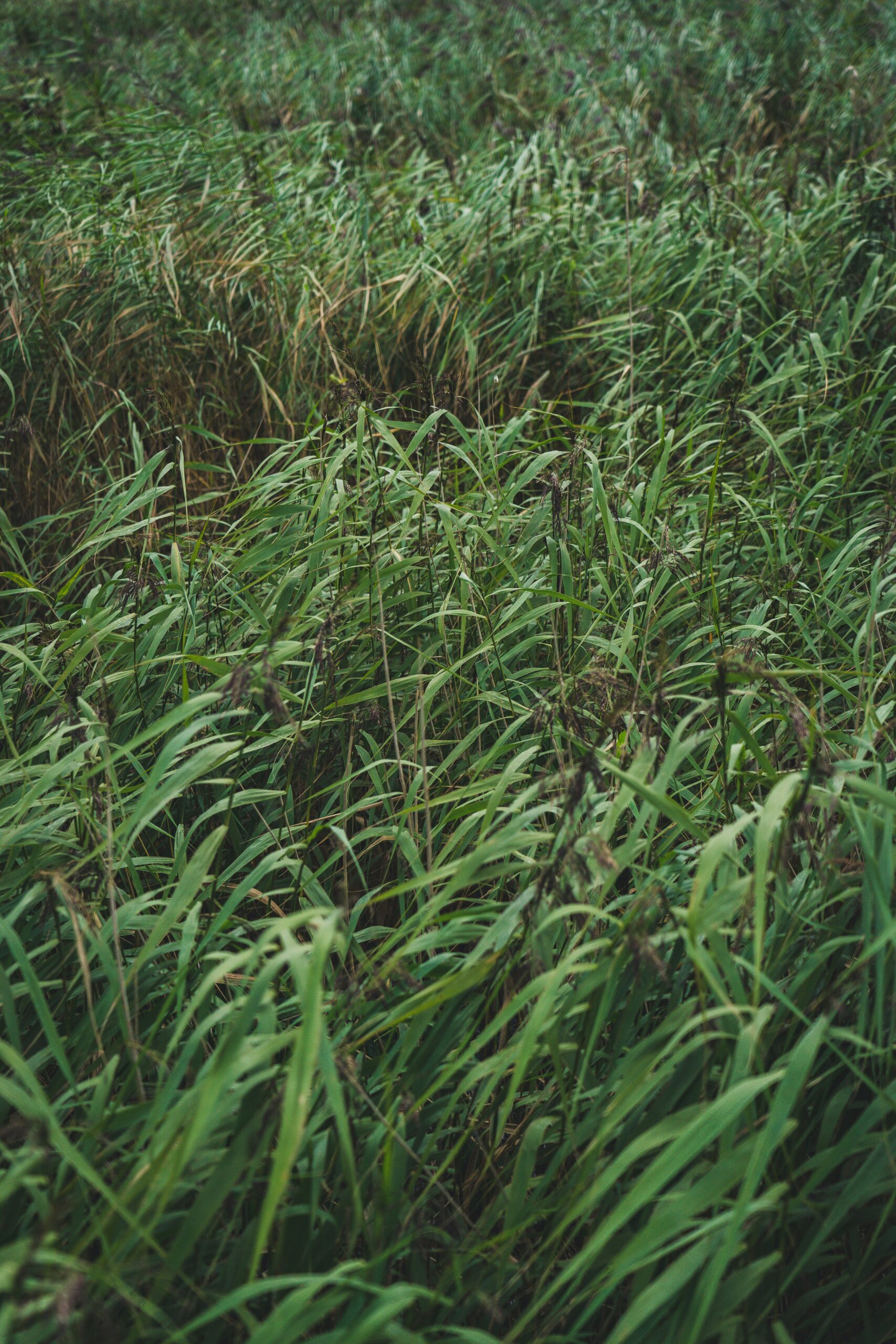
When most gardeners think about planting, we picture vegetables, flowers, or fruit trees. But one of the most powerful things you can grow in your garden isn’t food at all—it’s a cover crop.
Cover crops are plants grown not for harvest but to improve the health of your soil. Farmers have used them for centuries, but they’re just as useful in a backyard garden. They can add nutrients, suppress weeds, protect bare soil, and even attract pollinators depending on what you plant.
Why Plant a Cover Crop?
- Soil Protection: Bare soil is vulnerable to erosion, compaction, and nutrient loss. A cover crop acts like a living blanket, holding everything in place. That’s especially important in dry climates like ours where wind and rain can easily blow or wash away your topsoil. It’s never a good idea to leave your soil bare.
- Weed Suppression: Have you struggled with weeds in the past? Nature hates empty soil and weeds will quickly take root if you don’t fill it with something else. Cover crops will compete with weeds, taking up the water, nutrients, and sun that the weeds need to thrive, making it easier on you to get your garden going next spring.
- Nutrient Boost: Plants need nutrients, especially nitrogen. Some plants are “nitrogen fixers,” meaning they are able to take nitrogen from the air and move it into the soil. If you plant a nitrogen-fixing cover crop like legumes (peas) or clover, you’ll give next season’s crop a bit of a boost in nutrients. It’s not just nitrogen-fixers that add nutrients to the soil, either. Any organic matter will eventually decompose and add important nutrients back into your soil for your garden. It’s like composting in place!
- Pollinator Habitat: Flowering cover crops will grow late into the fall and early in the spring when other plants have either died for the season or haven’t gotten going yet. Those plants feed bees and beneficial insects while your main garden rests.
Good Options for Home Gardens
- Fall/Winter: Winter rye, hairy vetch, or crimson clover—planted in late summer or fall—can grow through winter and be turned under in spring.
- Spring/Summer: Buckwheat grows quickly, thrives in heat, and can be cut down in just a few weeks, making it perfect between crop rotations.
- Year-Round Boosters: Clover can be tucked between perennials or pathways for living mulch.
How to Plant a Cover Crop
- Choose the Right Timing. Plant after you harvest a bed or during the garden’s “off-season.”
- Prepare the Bed. Clear away weeds and lightly loosen the soil.
- Sow the Seeds. Broadcast evenly, then rake in so they’re covered just enough to germinate. Water if the soil is dry.
- Manage Before Flowering. To prevent reseeding, mow, cut down, or turn under your cover crop before it goes to seed. You can compost the clippings or leave them as mulch.
A Simple Next Step
If you’re new to cover cropping, try sowing buckwheat in an empty summer bed or clover after your tomatoes finish for the season. You’ll be amazed at how quickly your soil becomes easier to work, holds water better, and produces healthier plants.
Cover cropping may not give you a harvest right away, but it’s an investment that pays back year after year with stronger soil and more resilient gardens. Want help figuring out what cover crops will be the best for your situation and how best to use them? Schedule a consultation with us! We’d love to help.