
It’s October. The temperatures are dropping, daylight hours are shrinking, and the growing season is wrapping up here in Utah. That means it’s time for fall cleanup—but what exactly does that mean?
If you’ve done any Googling or talked to other gardeners, you’ve probably heard a lot of conflicting advice. Some say “leave everything for the wildlife!” while others say “clean it all up to prevent disease!” It can get confusing fast. So let’s talk through some of the main fall cleanup choices and why you might choose one approach over another.
Leave the Leaves—or Don’t?
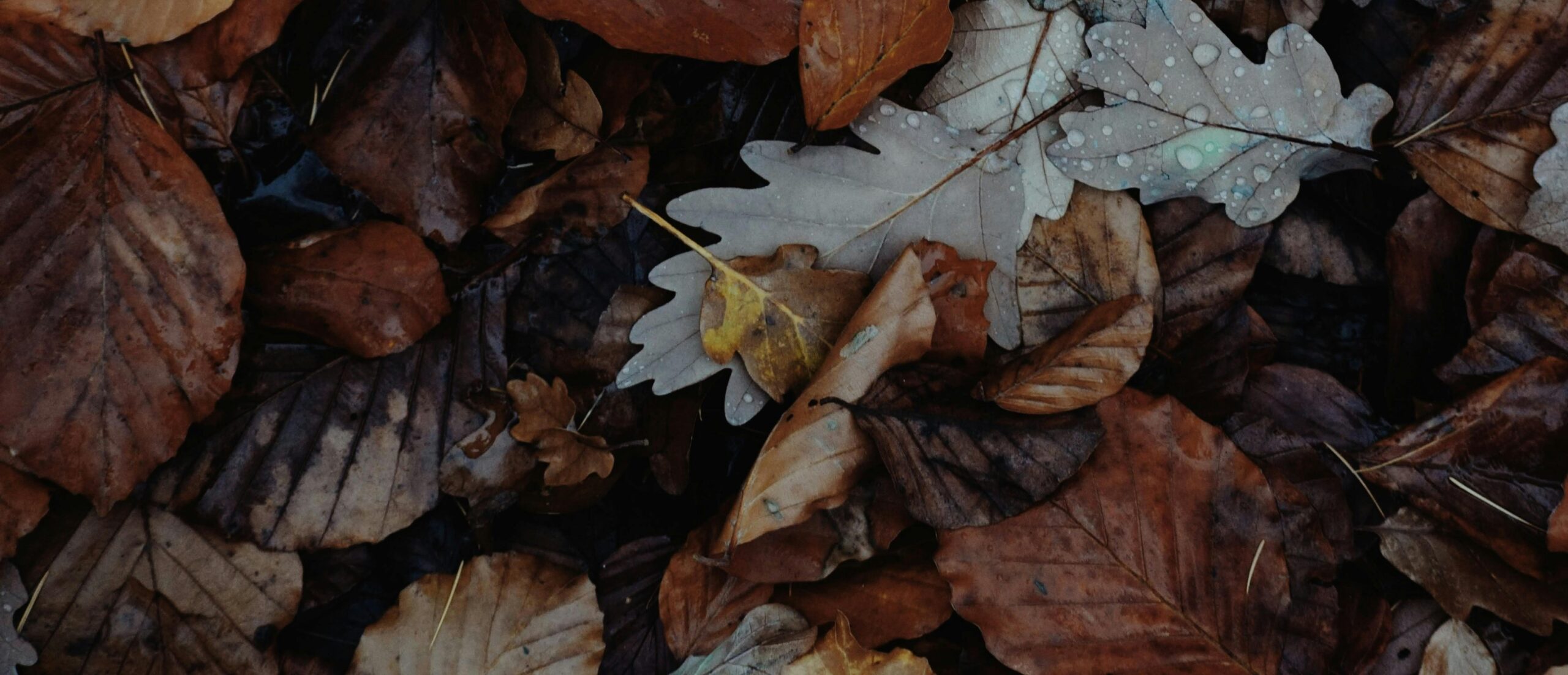
You’ll hear this one a lot in fall: “Leave the leaves!” The idea is to skip raking so insects and pollinators have a place to shelter through the winter. The leaves, in theory, will decompose naturally and enrich your soil.
That’s great in wetter climates—but here in Utah, it doesn’t always work that way. Our dry winters mean those leaves often don’t break down. Instead, they can pile up and create a matted layer that blocks air and water from reaching your soil. And if you leave a thick layer on your lawn, it’ll likely kill the grass underneath.
If you want to help your insect friends and your soil, there’s a better approach for our climate:
- Rake up your leaves and run them over with a lawn mower to shred them into smaller pieces.
- Then spread those shredded leaves around your garden beds or under shrubs as mulch. This helps them decompose faster and prevents them from smothering your plants.
- Or, if you don’t want to use them as mulch, add them to your compost pile!
That way, you’re still returning organic matter to your soil and supporting pollinators—without creating a soggy mess to deal with in the spring.
Should You Clear Out Spent Plants?
This is another hot debate in the gardening world. Some gardeners swear by leaving their vegetable and flower beds untouched through winter to provide food and shelter for wildlife. Others say you must remove everything to avoid pest and disease problems. So who’s right?
Honestly, both sides have valid points—it just depends on your situation.
If you’ve had pests or diseases in your garden this year, it’s best to clear out the affected plants. Many pests (like squash bugs) and diseases (like powdery mildew) can overwinter in dead plant material and come roaring back next season. Burn those plants or toss them in the trash—but don’t compost them.
If your garden stayed healthy, it’s really up to your preference. Leaving plants in place can benefit some wildlife, especially birds and beneficial insects. But if you prefer to start with a clean slate in the spring, go ahead and tidy up now. Either option is fine—just be consistent about removing anything diseased.
Add Compost
Compost is one of the best things you can do for your soil, but gardeners often wonder when to apply it—fall or spring?
The truth is, it doesn’t make a huge difference as long as your compost is well-aged and ready to use. Personally, I like to add compost in the fall because I’d rather not work around tender seedlings in the spring. The compost has all winter to settle in, and by planting time, the soil is refreshed and ready to go.
However, if your compost is still “hot”—for example, if it contains fresh manure or hasn’t fully broken down—it’s better to apply it in fall. That gives it time to mellow out before planting season so it won’t burn young plants.
The Bottom Line
There’s no one-size-fits-all approach to fall cleanup. You’ll hear plenty of strong opinions, but the best advice is this: do what works for you and your land.
If you’re feeling burnt out after a long summer of gardening, it’s okay to take it easy. Leave some cleanup for spring when you have more energy. If you love the satisfaction of a tidy garden and a fresh start, spend the extra time now to get things cleaned up.
Over time, you’ll find your rhythm—learning what your garden needs, what your soil responds to, and how to balance your workload with the changing seasons.